Find the fault before choosing the repair
Repeated clearing, a damaged section seen on camera or a known failing drain may all lead to a repair enquiry. Tell us what has already been found and send any previous inspection information. Our drain repairs guide sets out the questions to ask before selecting a method.
We use CCTV, pipeline robotic cameras and GPS location for investigations. Understanding the position, condition and access helps make the scope more useful than a quote based only on a symptom.
Compare the practical options
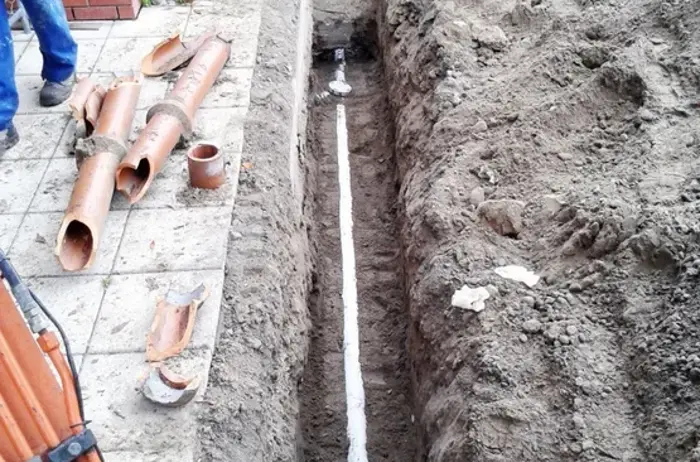
A local repair addresses a particular section. Replacement provides new pipe where the existing line cannot serve the job. Structural lining is another option to discuss where the pipe's condition and arrangement suit it.
The decision also involves connections, access and surrounding surfaces. Our relining versus replacement comparison gives you a worksheet for discussing those differences without assuming that one approach suits every fault.
Plan the work around the property
- Mark the areas you need to keep accessible, such as a driveway or side entrance.
- Explain whether paving, concrete, hot mix or planted areas sit over the route.
- Share any information about other buried services.
- Agree how the work area will be separated from everyday use.
- Ask what checks will confirm that the agreed repair is complete.
Keep investigation and excavation to the team doing the work. Tell us where you have noticed a surface dip or wet patch so we can investigate the affected area.
Agree the reinstatement
We carry out residential relays with reinstatement of concrete, hot mix, pavers and gardens. Discuss the repair area and the finish at the same time, including what will be retained and what needs replacement.
Photos of the area before work are useful for agreeing the scope. Where garden access is tight, identify plants, gates and storage that may affect access, then ask which preparations are needed.
Prepare a repair enquiry
Send your address, a description of the fault, previous clearing or inspection details and photographs of accessible surfaces. Tell us if water is overflowing now so that immediate help can be considered separately from the planned repair.
If you suspect a collapse, our collapsed drain signs guide explains why the condition needs checking rather than diagnosing it from one symptom.
Discuss your drain repair
Share the fault findings and the surfaces around the drain to start a repair discussion.
Discuss your drain repairCall 0800 405 632