
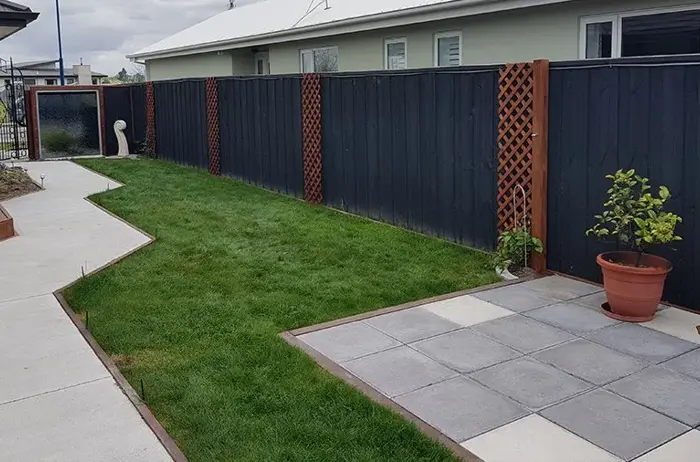
Know which drains you are checking
Begin by identifying roof downpipes and accessible surface drainage. Our stormwater versus wastewater guide explains why rainwater and household wastewater should stay separate.
Keep an available drainage plan and note where water normally leaves the property. If a feature is unfamiliar, record its location and ask about it instead of opening covers or changing connections.
Before wet weather
- Look for leaves and loose debris around accessible surface grates.
- Keep stored items and garden material away from drainage openings.
- Check from ground level whether downpipes show visible damage or disconnection.
- Note areas where runoff is directed toward a building or wastewater gully.
- Record any pooling left from the previous rain event.
Only attend to loose surface debris where it is safe and accessible. Leave roof access, covers, excavation and work inside drains to the people equipped to carry it out.
After rain, record what happened
Note where water collected, how long it remained and whether a grate or downpipe overflowed. A few photographs from the same safe position can help show a pattern across different rain events.
Our garden drainage problems guide provides a more detailed observation sheet. Persistent pooling can require investigation rather than repeated surface clearing alone.
Use the seasons as reminders
Leaf fall is a useful prompt to check accessible grates and surface routes. Before winter wet periods, revisit spots that have pooled previously. In spring, check whether garden work, new planting or moved storage has changed the path of runoff.
After any landscaping or paving work, keep the drainage arrangement in mind. Ask how the proposed surface levels relate to existing drainage before making changes.
When to arrange help
Contact us if a stormwater drain repeatedly overflows, pooling continues or the route needs checking. We use water blasting and vacuum equipment for clearing, with CCTV and GPS location for investigation where needed.
Send your address, the timing of the problem and photographs of accessible surfaces. If there is wastewater rather than rainwater, describe that separately and keep people and pets clear of the affected area.
Discuss a stormwater problem
Send photographs of accessible surfaces and explain what happens during rain.
Discuss a stormwater problemCall 0800 405 632