
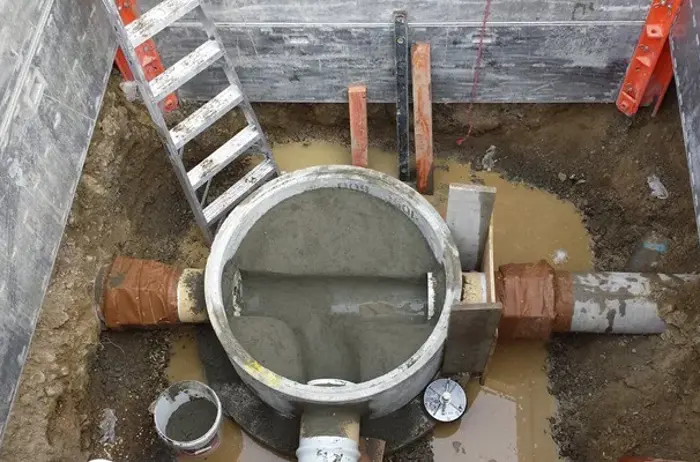
Recognise the outside overflow
A gully trap is part of the wastewater drainage arrangement outside a building. The important observation is what is coming out and when, rather than trying to open or alter the drain yourself. Our blocked drains guide helps relate the overflow to other affected fixtures.
Stay clear of contaminated water. Do not enter drains, chambers or excavations to investigate, and avoid directing the overflow into a stormwater drain.
Tell us what changed
- When did the overflow start, and is it continuing?
- Does it change when a sink, shower or toilet is used?
- Are other fixtures slow, gurgling or backing up?
- Has it happened before, and what work was done?
- Did the event coincide with heavy rain?
Photographs taken from a safe position can show the gully location and surrounding surfaces. Include access details such as gates and parked vehicles.
Keep rainwater and wastewater separate
Rainwater should follow the property's stormwater arrangement, rather than entering a wastewater gully. Check from ground level whether a downpipe or surface runoff appears to lead toward the gully, and describe what you can see.
Our stormwater versus wastewater guide explains the systems. Leave changes to pipe connections and levels to the people assessing and carrying out the work.
Clearing is the first question, not always the last
We clear sewer and stormwater blockages with water blasting and vacuum equipment. Where further investigation is needed, CCTV and GPS location help examine the drain and relate findings to the property.
If the gully overflows repeatedly, the recurring blockage checklist helps keep earlier findings and dates together. Explain both the current overflow and the history when requesting help.
After the immediate problem
Ask what was found, what work was completed and whether further investigation or repair is recommended. Keep those details with your property drainage records.
If a buried fault is identified, discuss the affected section and access before choosing the repair. Surface cleaning and restoring flow are useful steps, but the longer-term decision should follow the findings.
Call about an overflowing gully
Explain whether the overflow is continuing and which fixtures are affected.
Call about an overflowing gullyCall 0800 405 632